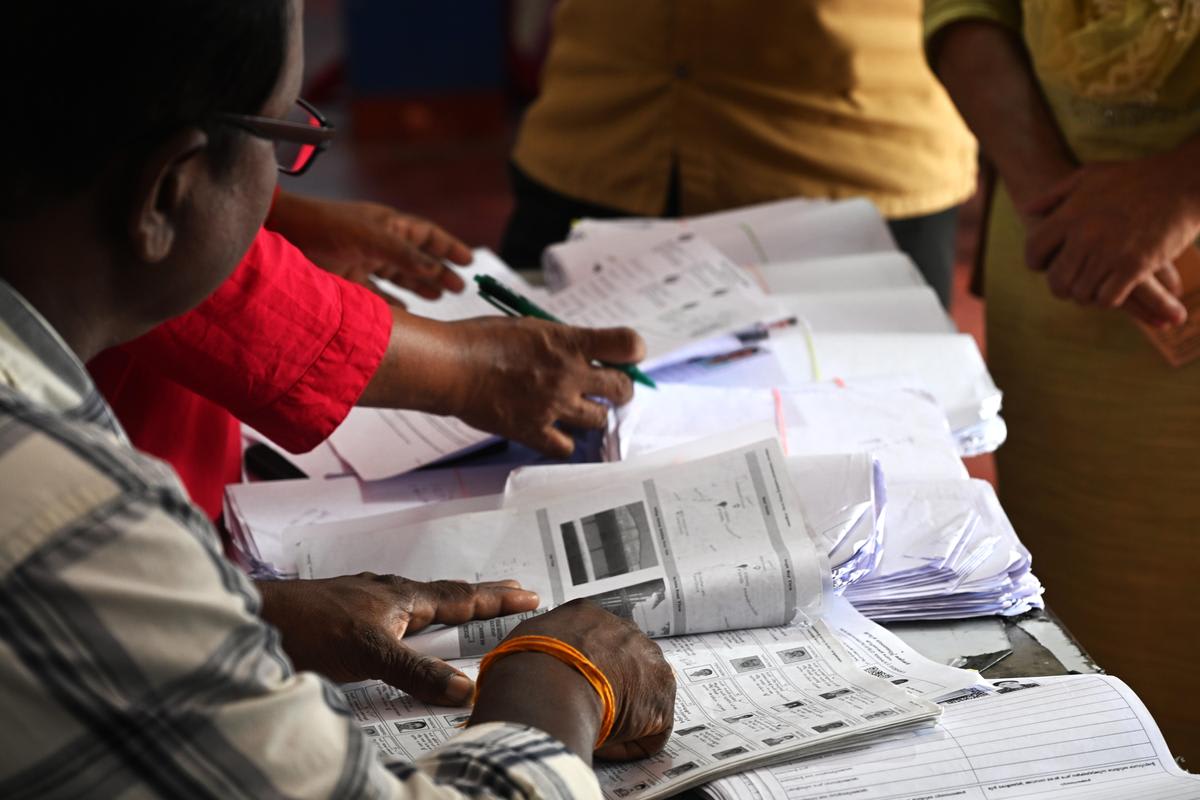
Almost 130 million people have been taken off India's election rolls, writer Atish Taseer alleged. The Election Commission of India says the names belong to ineligible voters. No breakdown of who was removed has been cited publicly.
The Commission's official position is that it is clearing the rolls of people who should not be on them. A voter who has died but remains listed, for example, must be removed. That is the explanation it has given for the deletions.
Critics are not persuaded. Taseer said removals involving voter rolls arouse suspicion because the Hindu nationalist movement has long viewed Muslims, other minorities and sometimes low-caste citizens as interlopers. He said he suspects the removed names include an outsized number of Muslims, low-caste people and others outside the Hindu nationalist electorate. That is a suspicion. No dataset has been cited to confirm it.
Almost 130 million names are off the rolls. No breakdown of who they are has been cited.
Taseer described the exercise as one of disenfranchisement, carried out by a government that is increasingly on the back foot and looking for ways to win re-election. The allegation concerns the intent behind the removals. It is his characterisation, not a finding by any court, regulator or investigating agency.
The Bharatiya Janata Party has rejected the charge. It says the opposition has failed to present concrete evidence of voter suppression. It accuses opposition parties of political opportunism, saying they want to discredit Prime Minister Narendra Modi ahead of the 2029 elections.
No response from the Election Commission to the specific allegation of targeted removals is on record. Its stated position covers ineligibility only.
The dispute has already moved onto the streets. The youth-led protests began over leaked examinations and demands for the education minister's resignation. Taseer said they have now turned on the Election Commission, because protesters believe something suspicious is under way.
Rahul Gandhi, the leader of the opposition, has embraced the demonstrations. He has called for the removal of Modi and Home Minister Amit Shah. Taseer warned that the protests face a real danger of being co-opted by an opposition that has not been successful. He also said that unless the energy is channelled into the electoral process, it cannot bring about regime change in a democracy.
The Commission has offered a justification. It has not offered the evidence that would let anyone test it.
Two claims now stand side by side. The Commission says every name removed was ineligible. Critics say the removals fell hardest on particular communities. Neither claim has been tested in public.
The scale makes the gap harder to ignore. Almost 130 million is the figure in dispute, and the explanation offered for it is a single category of example: the dead.
If the removals are routine, the records that prove it are not hard to publish.
How many of the almost 130 million names belonged to people who had died, and how many to living voters? Until the Election Commission answers that, the 2029 electorate rests on a list that millions of Indians have reason to doubt.